How to Find a Festive Neighborhood (For Holiday Lovers)
Dec 16, 2025
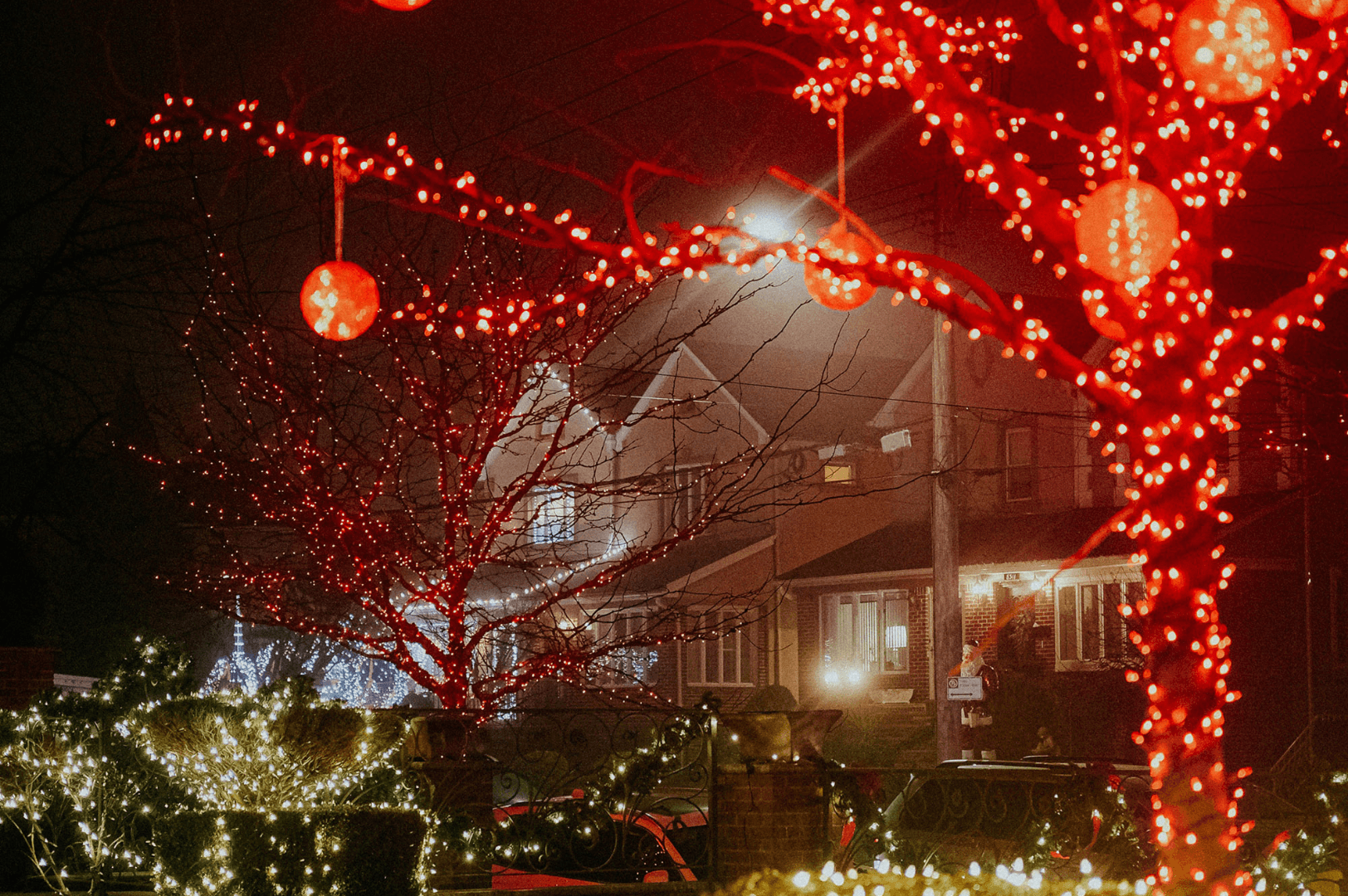
Buying a home isn’t just about square footage, interest rates, or how new the appliances are. For some people, it’s about something much less technical (and way more personal).
If you’re the type who looks forward to Halloween all year, loves driving around to see Christmas lights, or grew up in a neighborhood where holidays meant community, you may be dreaming of a place where those traditions still exist.
The good news? Festive neighborhoods are real, and you can spot them before you buy. You just need to know what to look for.
Why Festive Neighborhoods Matter More Than You Think
Holiday-loving neighborhoods aren’t just cute for Instagram. They’re often a sign of something deeper.
High holiday participation usually means:
Neighbors who know each other (or at least say hi)
More foot traffic and outdoor activity
A stronger sense of pride and care for the area
Traditions that make a house feel like home
For families, it can mean safer trick-or-treating and built-in memories. For adults without kids, it can still mean cozy block parties, seasonal events, and that warm “people actually live here” feeling.
In short: festive neighborhoods tend to be community-oriented neighborhoods — and that matters long after the decorations come down.
Signs a Neighborhood Is Big on Holidays
You don’t need a calendar of events to tell if a neighborhood loves the holidays. The signs are usually hiding in plain sight.
Decorations That Go Beyond One House
One over-the-top house is fun, but it doesn’t make a festive neighborhood. What you want to see is consistency.
Look for:
Multiple homes decorating
Themed decor (matching lights, inflatables, wreaths)
Decorations that go up early and stay up proudly
This applies to Halloween and Christmas. A street that commits to both is usually a good sign.
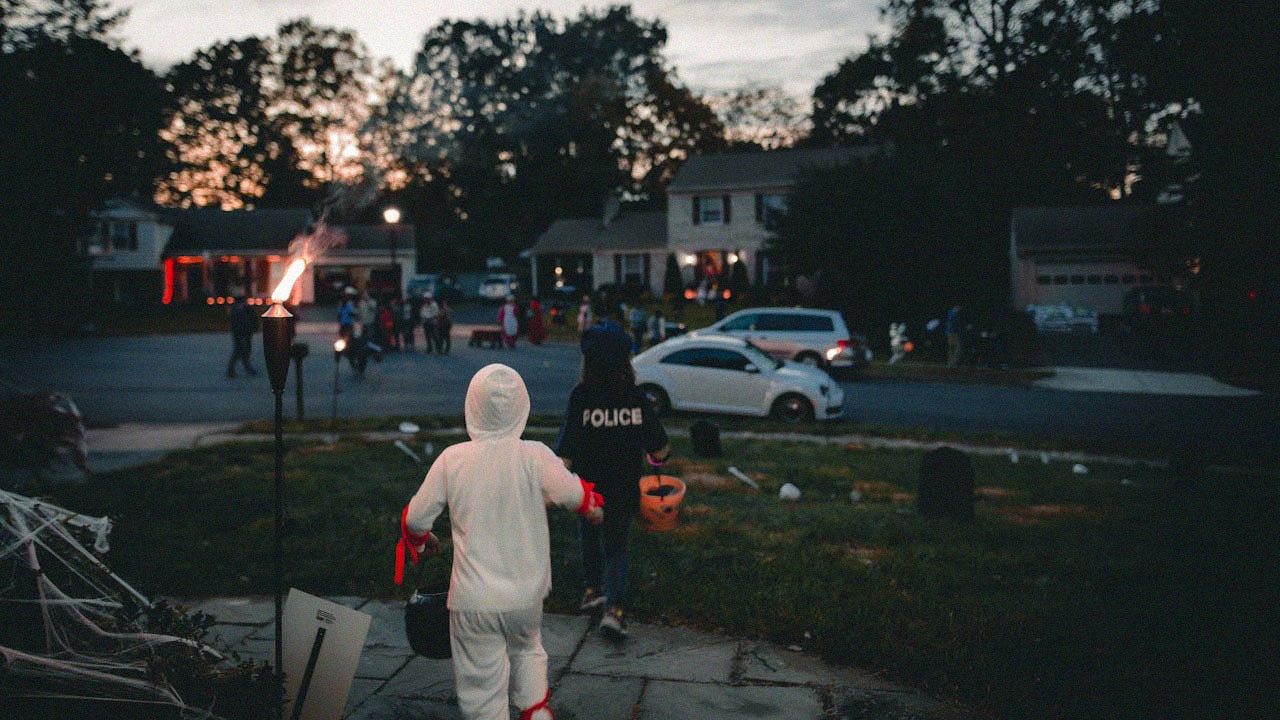
Block-Level Participation
True holiday neighborhoods move as a unit.
Signs include:
Streets temporarily closed for trick-or-treating
Coordinated Halloween routes or maps
Community Christmas light nights or cookie swaps
Neighborhood social media posts about holiday plans
If people organize together, decorate together, and celebrate together — you’ve found something special.
Sidewalks, Porches, and Front-Yard Energy
This one is subtle but powerful.
Festive neighborhoods usually have:
Sidewalks (huge for Halloween participation)
Front porches instead of hidden front doors
Homes that face the street, not inward
When people naturally spend time outside, holidays become an extension of everyday life.
How to Scout a Festive Neighborhood Before You Buy
Here’s where you can be strategic without being awkward.
Drive Through at the Right Time (and at Night)
Timing matters.
Late October for Halloween vibes
Early to mid-December for Christmas lights
Evenings matter — lights don’t show up at noon
A quick nighttime drive can tell you more than any listing description ever will.
Check Local Facebook Groups or Nextdoor
Search for:
“Halloween” + neighborhood name
“Christmas lights” + city
“Trick or treating” + area
If people are asking where to take their kids, organizing routes, or sharing photos, participation is likely strong.
Use Instagram and TikTok as Search Tools
Social media is basically free reconnaissance.
Try:
Searching for neighborhood or subdivision names
Location tags in October and December
Keywords like “Christmas lights near me” or “Halloween neighborhood”
If residents are posting, tagging, and showing pride, that’s a green flag.
The Best Times of Year to Spot Holiday-Friendly Areas
If you’re flexible on timing, this helps:
Late October: Peak Halloween energy
Early December: Before people start traveling
July 4th: Surprisingly telling — festive neighborhoods often go all out year-round
Neighborhoods that show up consistently tend to show up every holiday.
Festive Doesn’t Always Mean Loud (Know Your Style)
Not all holiday lovers want the same thing.
Some neighborhoods are:
Kid-heavy and high-energy
Cozy and nostalgic
Quietly festive with classic décor
Strictly regulated by HOAs (for better or worse)
Pay attention to HOA rules, decoration limits, and noise policies. A beautifully decorated neighborhood with harsh restrictions might feel less fun long-term.
Let Lifestyle Guide Your Home Search
It’s easy to feel like things like holiday spirit are “extras” you shouldn’t prioritize when buying a home.
But the truth is, lifestyle fit matters just as much as financial fit.
A house can check every technical box and still feel wrong. The right neighborhood — one that aligns with how you celebrate, gather, and live — can make even a smaller or older home feel perfect.
That’s why at Entitled, we believe buying a home isn’t just about affordability or approval. It’s about clarity — understanding what you value before you commit.
Because the right home isn’t just where you live.
It’s where your traditions grow.
Heads up: This isn’t legal or financial advice—just helpful info to make things make more sense.