Your First Tax Season as a Homeowner: What to Expect
Feb 25, 2026
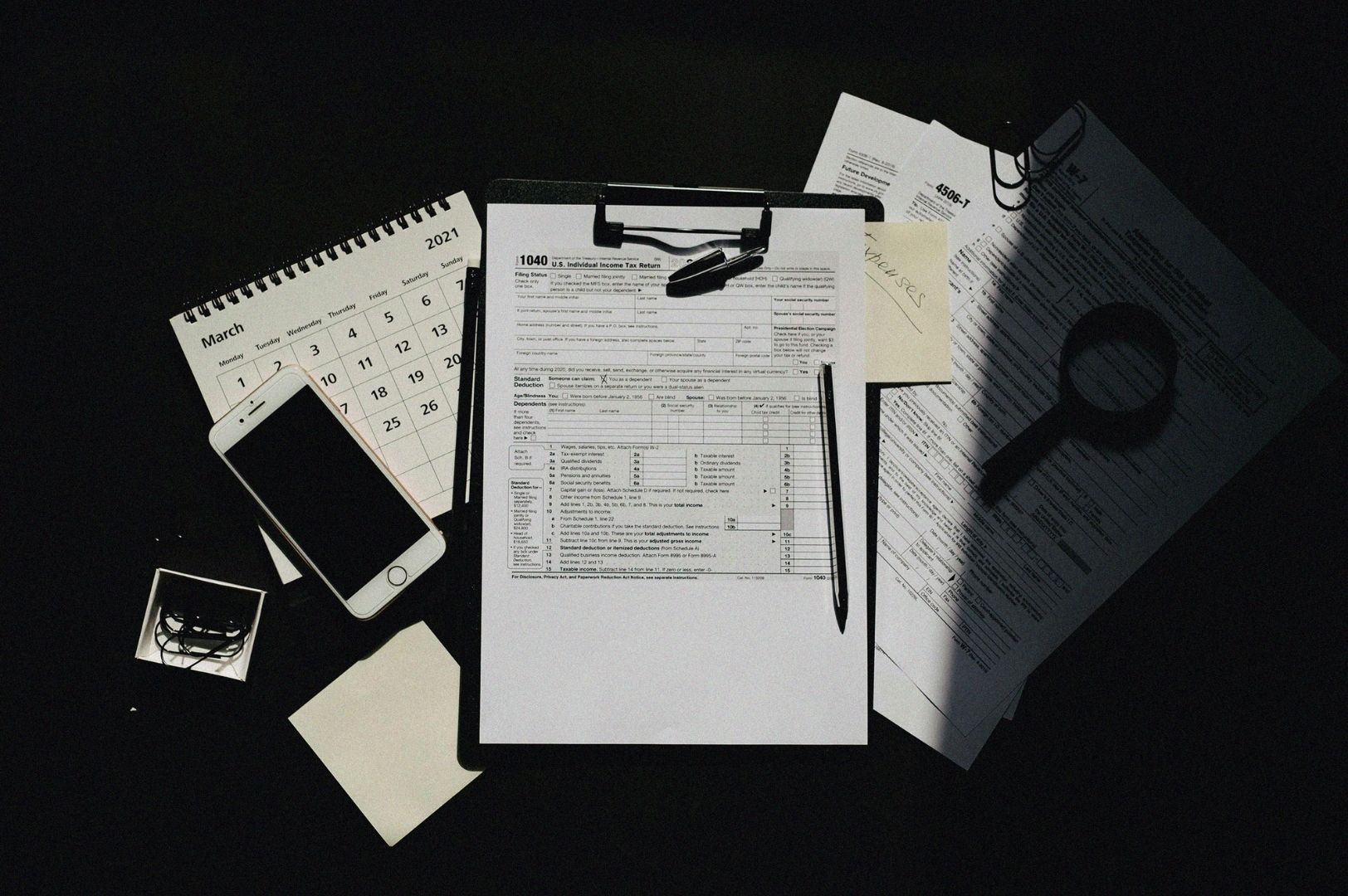
Buying your first home feels like crossing a finish line.
Then tax season hits.
Suddenly, you're left wondering:
Do I get a big tax break now?
What forms am I supposed to have?
Why did my refund not change?
Did I miss something important?
If this is your first tax season as a homeowner, we totally get it. So, here's what actually happens, what you can deduct, and what most people misunderstand.
Does Buying a House Automatically Lower Your Taxes?
Short answer: not always.
One of the biggest myths about homeownership is that you automatically get a huge tax refund after buying. In reality, it depends on whether you itemize your deductions or take the standard deduction.
For 2026, most single filers and married couples still take the standard deduction because it is high enough that itemizing does not provide additional benefit.
If your total deductible expenses are not higher than the standard deduction, your taxes may not change much at all.
This is normal.
What Tax Forms Will I Receive After Buying a House?
After your first year of homeownership, you will typically receive:
Form 1098
Your lender sends this form. It shows:
Mortgage interest you paid during the year
Points paid (if applicable)
Mortgage insurance premiums in some cases
If you have an escrow account, your property taxes may also be included in your annual mortgage statement, though they are not always listed directly on Form 1098.
You should also keep:
Your Closing Disclosure from when you bought the home
Records of property tax payments
Any documentation for improvements or energy credits
Even if you are not sure whether you will itemize, keep the paperwork.
Can I Deduct My Mortgage Interest?
Mortgage interest is one of the most talked-about homeowner tax deductions.
Yes, mortgage interest is generally deductible if:
You itemize deductions
Your mortgage is within IRS loan limits
The loan is secured by your primary or secondary residence
But here is the key 🔑: you only benefit if your total itemized deductions exceed the standard deduction.
If you are early in your loan, you likely paid more interest than principal this year. That increases the potential deduction. Still, it does not guarantee a larger refund.
Are Property Taxes Tax Deductible?
Property taxes are deductible if you itemize.
However, there is a limit.
The IRS caps the state and local tax deduction at $10,000 total per household. This includes:
Property taxes
State income taxes or sales taxes
If you live in a higher tax state, you may hit this limit quickly.
If you live in a lower tax area, you may not reach the threshold needed to make itemizing worthwhile.
Can I Deduct Closing Costs?
This is another common question.
Most closing costs are not deductible in the year you purchase your home.
However:
Points paid to lower your interest rate may be deductible
Prepaid property taxes may be deductible
Mortgage interest paid at closing may be deductible
Everything else, such as title fees and lender fees, is typically not deductible.
What About Home Improvements?
Most home improvements are not immediately deductible.
Repairs such as fixing a leak or replacing a broken appliance usually do not reduce your taxes.
However, capital improvements such as adding a new roof or finishing a basement may increase your cost basis. That can reduce capital gains tax if you sell in the future.
Some energy-efficient upgrades may qualify for federal tax credits. These are different from deductions and can directly reduce the amount of tax you owe.
Why Didn’t My Refund Increase After Buying a Home?
This is the moment that surprises many first-time buyers.
Buying a house does not guarantee a bigger refund.
If you:
Took the standard deduction
Did not pay enough interest or property taxes to exceed it
Did not adjust your W-4 withholding
Your refund may look the same as last year.
A refund is simply the difference between what you paid in taxes during the year and what you actually owed. It is not a bonus for becoming a homeowner.
Should I Update My W-4 After Buying a House?
Possibly.
If your tax situation changes significantly because you are itemizing, you may want to adjust your W-4 to better align your paycheck withholding with your new reality.
Some homeowners prefer a larger refund. Others prefer more take-home pay during the year.
This is less about maximizing a refund and more about aligning your withholding with your goals.
The Bigger Picture: What Homeownership Really Changes
Your first tax season as a homeowner is less about instant savings and more about:
Understanding how deductions work
Knowing what documents to keep
Planning smarter for next year
Homeownership can create tax advantages over time, especially as you build equity and potentially benefit from capital gains exclusions when you sell.
But it is not a guaranteed refund boost in year one.
And that is okay.
What To Do Before You File
Before submitting your return:
Gather your 1098 and property tax records.
Compare itemizing versus the standard deduction.
Check for any energy-efficiency credits.
Consider whether your W-4 needs updating for next year.
If you are unsure, a tax professional can help you run the numbers.
In conclusion, the goal is not to chase deductions. It is to understand your full financial picture as a homeowner. Buying your first home is a long-term move. Tax season is just one chapter of that story. When you understand what to expect, it feels a lot less intimidating and a lot more intentional.
Heads up: This isn’t legal or financial advice—just helpful info to make things make more sense.